QnA: Frequently Asked Questions
Get answers about distribution, long-term vesting, transparency, and risk disclosure
Why Are Token Rewards Different by Region?
Why do Ethiopia originated wallets receive 75,000 GERD while others get 10,000 GERD tokens?
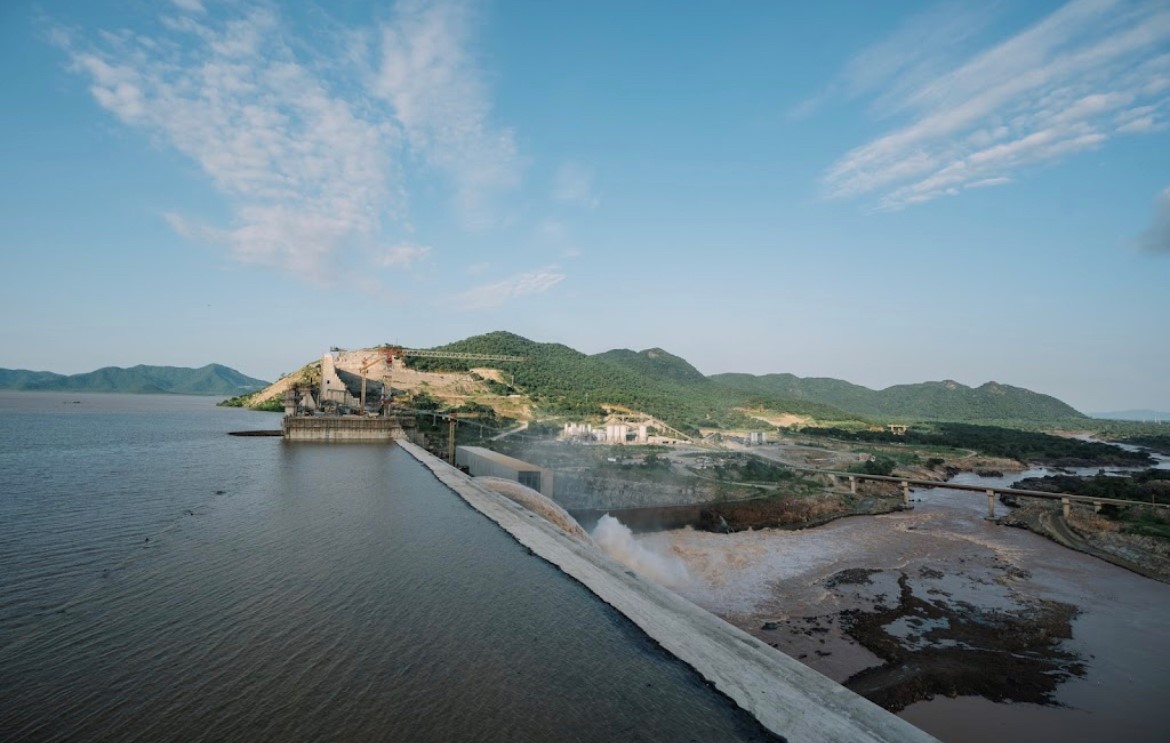
GERD is inspired by the Abay River and Ethiopia's Grand Ethiopian Renaissance Dam. Ethiopia receives a higher claim allocation as a tribute to the origin community of the project, while global participation remains open to everyone.
Why does the rest of the world receive 10,000 GERD?
GERD is designed for broad participation across regions. The global 10,000 GERD claim keeps distribution open while maintaining a long-term supply framework.
Isn't this unfair or discriminatory?
The model is distribution-focused, not exclusion-focused. GERD has no presale, no private allocation, and no insider advantage. Every eligible user can participate; the regional distinction reflects tribute design, not restricted access.
Will I still be able to trade or earn more GERD tokens?
GERD is a digital asset that can participate in open-market activity where permitted. This is not a promise of returns. Participation outcomes depend on adoption, market conditions, and legal compliance.
Understanding Vesting in Simple Terms
What is "vesting" and why should I care?
Vesting means token release follows a fixed public schedule instead of one-time distribution. For GERD, 1 billion tokens are released each year for 115 years, which supports predictable supply expansion and long-term participation.
Who controls the tokens right now?
No single person controls the 115 billion GERD tokens anymore. They have been transferred to the vesting smart contract on the blockchain. Human control has been removed entirely — not even the original creator can move or spend those tokens outside the vesting schedule. The smart contract is now the sole custodian, and it will only release tokens automatically, once per year, as programmed.
What happens now that the vesting contract is live?
The 115 billion tokens are now safely locked away and no longer in anyone's hands. A self-running program — called a smart contract — is in charge. Every year it automatically releases 1 billion tokens, like clockwork. There are no passwords, no keys, and no one who can speed it up or slow it down. Once it was set in motion, it became unstoppable.
How are those 1 billion tokens used every year?
Each year, when 1 billion GERD tokens are released:
500 million GERD
Divided and sent to all holders250 million GERD
Used for staking rewards250 million GERD
To liquidity or burnedThis structure supports long-term health, rewards active holders, and avoids inflation.
Will everyone get the same amount?
The annual holder allocation is designed to be shared across eligible wallets captured at the yearly snapshot. Earlier participation can result in more years of eligibility over time.
Can anyone stop or change this system later?
The vesting model is schedule-based and designed to limit discretionary intervention. Participants should still verify the current contract state and release conditions directly on-chain.
Why is this good for the community?
This system is intended to improve transparency and reduce concentration risk by using predefined release rules. It supports a long-term framework for community participation across generations.
So what should I do now?
Hold GERD in your own wallet and follow official project updates about yearly snapshot timing and distribution rules. Always verify on-chain information and comply with local laws.
DISCOVER ABAY GERD TOKEN, THE ETHIOPIAN-BORN DIGITAL ASSET EMPOWERING OUR COMMUNITY. JOIN US IN CREATING A BRIGHTER FUTURE! #ABAYGERDTOKEN #ETHIOPIA #CRYPTO #GERD